
The Science of Adult Socials on Mindful Weekend Retreats
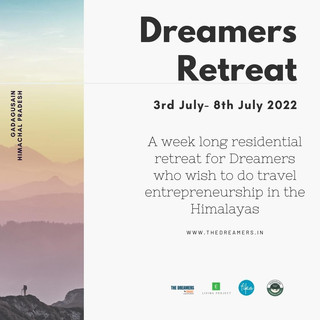

Living in a modern city offers incredible career opportunities, cultural depth, and endless energy, but it often comes with a hidden cost. Urban professionals, busy founders, and remote workers frequently find themselves navigating a silent epidemic of loneliness. As old friends dive into demanding career phases, marriage, or parenthood, your once-vibrant social circle naturally shrinks. When you finally try to rebuild your community, you quickly realize how exhausting the options are. You are left choosing between awkward networking events, superficial bar mixers, or endless swiping on dating apps that feel more like a chore than a genuine way to connect.
The struggle to make new friends in adulthood is very real, but the traditional methods we rely on are fundamentally broken. Forcing conversations under fluorescent lights with a warm drink in hand goes against human biology. To foster genuine relationships, we need a shift in environment and psychology. This exact realization drives the growing interest in science backed adult socials on mindful weekend retreats. These immersive getaways provide the ideal container for human bonding, moving us away from city noise and into spaces designed for authentic connection.
The Neurobiology of Connection in Natural Environments
Human brains are hardwired for community, a trait inherited from our ancestors who relied on tribal networks for survival. When we interact with others in safe, low stress environments, our nervous systems respond positively. Urban environments keep our sympathetic nervous systems running on high alert, flooding our bodies with cortisol and making us hyper-vigilant. This biological state makes authentic vulnerability nearly impossible, which explains why city socials often feel draining rather than fulfilling.
When you step into a weekend getaway focused on intentional living, your brain undergoes a rapid shift. Nature-based settings reduce cortisol levels, lower blood pressure, and activate the parasympathetic nervous system. In this relaxed state, the prefrontal cortex functions with greater ease, allowing for empathy, open-mindedness, and emotional resonance.
Furthermore, shared novel experiences trigger the release of dopamine and oxytocin, the neurochemicals responsible for bonding and trust. When a group of adults cooks a meal together, hikes a scenic trail, or engages in a guided movement workshop, their brains synchronize. This neural alignment creates a powerful sense of belonging that takes months to replicate in standard city environments.
Why Traditional Socializing Fails Busy Adults
Most adult social infrastructure relies on forced interactions and alcohol-centric environments. Traditional mixers depend heavily on rapid-fire small talk, asking what you do for a living within the first thirty seconds of meeting. This professionalized framing triggers performance anxiety rather than authentic friendship. When you are constantly evaluating your status, you cannot relax enough to let your personality shine.
Adults dealing with routine-driven lives need spaces that bypass resume-building and focus on shared humanity. We often look for advice on How to Make Room for New Friendships in a Busy Adult Life to balance our demanding schedules. Yet, carving out time is only half the battle. The quality of that time dictates whether a new connection takes root.
The Power of Intentional Living and Getaways
True connection requires a break from routine. Intentional Living and Getaways provide the psychological safety needed to drop our social armor. When you arrive at a curated retreat alone, knowing no one else, a fascinating psychological phenomenon occurs. Everyone is in the same boat, which instantly dissolves the high school-like cliques found in many urban settings.
- Shared Vulnerability: Engaging in mindful activities like yoga, art, or nature walks encourages organic conversation without the pressure of forced eye contact or awkward icebreakers.
- Zero Dating App Fatigue: Interacting in person allows your mirror neurons to read micro-expressions and body language naturally, building authentic trust.
- Structured Freedom: Balancing scheduled group activities with unstructured downtime allows friendships to form at a comfortable, organic pace.
When you remove the distractions of emails, transit delays, and daily chores, your focus narrows to the present moment. This mindfulness enhances your capacity to listen and be seen by others.
The Science Based Need for Socialising
Humans are fundamentally social mammals, and isolation carries severe health consequences. Public health research equates chronic loneliness to smoking fifteen cigarettes a day, impacting cardiovascular health and immune function. Conversely, high quality social connections increase longevity, boost mental health, and improve cognitive resilience.
Understanding the science based need for socialising helps us justify investing time and energy into experiences that foster real community. We are not indulging in a luxury when we seek out weekend getaways; we are meeting a biological baseline requirement for health. Experiential events and mindful retreats bridge the gap between our primal need for tribe and the realities of modern professional life.
Frequently Asked Questions
Why is it so difficult to make friends as an adult in the city?
Urban life often locks us into demanding work routines while natural social structures fade as friends prioritize careers and family. Traditional methods like dating apps or networking mixers rely on superficial criteria and high pressure environments, making genuine bonding difficult.
How do weekend retreats help adults connect without awkwardness?
Retreats combine nature, low stress environments, and shared novel activities that trigger bonding hormones like oxytocin and dopamine. By removing the pressure of forced icebreakers, participants can connect organically through shared experiences.
Do I need to be outgoing to attend a weekend social or retreat?
Not at all. These experiences are intentionally designed for people arriving completely solo, catering to both introverts and extroverts through balanced schedules that offer structured activities alongside quiet personal downtime.
What makes mindful retreats different from standard vacations?
Mindful retreats focus specifically on intentional living, community building, and personal well-being through curated activities like movement, art, and nature immersion, rather than just sightseeing or partying.
Cultivating Your Community Moving Forward
Building a sustainable social circle in adulthood requires stepping outside your comfort zone and choosing environments designed for real human interaction. You do not have to settle for superficial connections or resign yourself to isolation because your schedule is demanding. By understanding the neuroscience behind bonding, you can prioritize experiences that nourish your mind and soul. Whether through a city-based social gathering, a multi-day retreat, or a vibrant community festival, the right environment makes all the difference. Take the leap, arrive on your own, and let shared experiences forge the lasting friendships you have been missing.


Comments