
Intentional Living Retreats: How Adults Meet New People Naturally


Navigating adulthood in a bustling city often feels like an exercise in quiet isolation. You might have a thriving career, a favorite coffee shop, and a comfortable apartment, but looking around your living room on a Tuesday evening reveals a glaring absence of deep, spontaneous connection. Old friends are buried under the heavy demands of parenting, career milestones, or cross-country moves. Meanwhile, making new friends feels painfully transactional, often involving awkward networking mixers, alcohol-driven bars, or superficial dating apps that leave you feeling more drained than fulfilled.
If this modern dilemma sounds painfully familiar, you are certainly not alone. Urban professionals, remote workers, and founders frequently find themselves trapped in routine-driven lives where organic serendipity has been engineered out of existence. Enter the modern antidote: intentional living vacations to make friends adults can actually trust and bond with. These immersive getaways provide a refreshing alternative, transforming how grown-ups forge meaningful relationships without the friction of forced icebreakers.
The Science-Based Need for Socializing in Adulthood
Human beings are biologically wired for community, yet modern urban life chronically starves us of it. Anthropological and neurological research continuously highlights the science-based need for socializing, proving that deep human connection is just as vital to our survival and longevity as diet and exercise. When we experience shared vulnerability and joy in a group setting, our brains release oxytocin and dopamine, reducing cortisol levels and fostering a profound sense of safety.
Unfortunately, our standard adult environments rarely trigger these beneficial neurochemical responses. Office cubicles, transit commutes, and algorithmic matching apps lack the rich contextual cues required to build authentic trust. True social bonding requires shared experiences, unstructured downtime, and a supportive container that bypasses the armor we wear in daily life. This is where intentional living retreats bridge the gap, offering a scientifically sound environment for the nervous system to relax and open up to others.
Why Traditional Socializing Fails Busy Adults
Most attempts to expand a social circle in adulthood feel like a chore because they rely on outdated or artificial formats. Traditional mixers force strangers into rooms with sticky floors and loud music, expecting instant chemistry over warm wine. Networking events turn every conversation into a pitch deck, stripping away the warmth and playfulness necessary for real friendship to take root.
- Dating apps create romantic pressure where none is desired, twisting platonic intentions.
- Alcohol-centric gatherings often mask social anxiety rather than resolving it, leading to hollow interactions.
- Forced icebreakers trigger childhood memories of school projects, making adults instantly defensive and guarded.
When you remove these artificial barriers and replace them with purposeful environments, the dynamic shifts entirely. You do not need to force small talk when you are planting a garden, hiking a ridge, or sharing a meal cooked over an open fire. You can learn more about balancing a demanding schedule while keeping your social life active by reading our guide on How to Make Room for New Friendships in a Busy Adult Life.
How Intentional Living and Getaways Foster Natural Connection
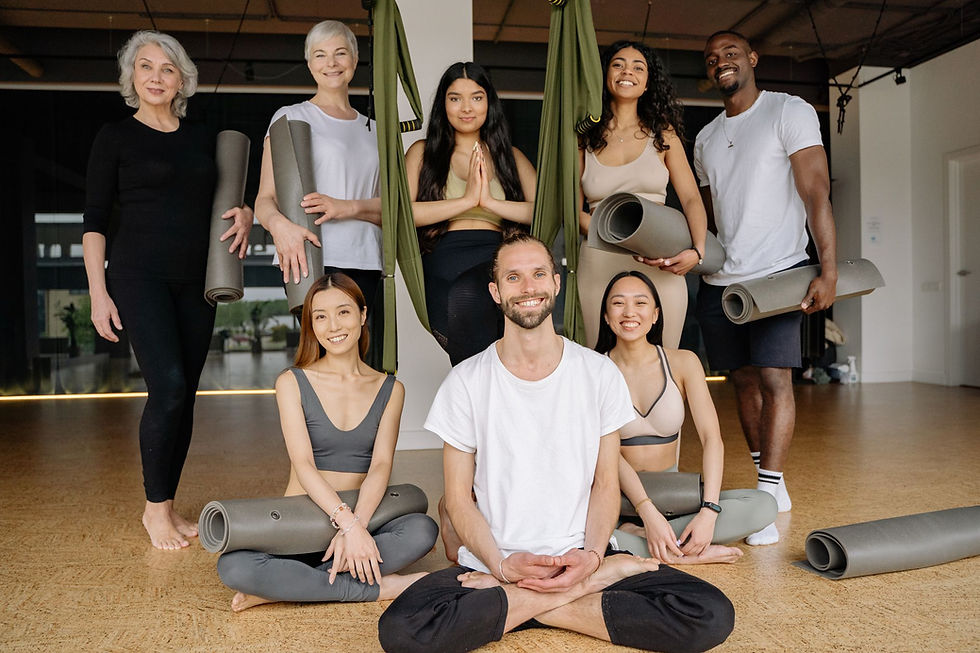
Intentional Living and Getaways strip away the noise of city life and invite participants to focus on presence, creativity, and movement. Instead of arriving with a business card or a rehearsed elevator pitch, guests arrive ready to experience something new together. Whether it is a weekend retreat focused on mindful movement, an art and music festival, or a multi-day nature immersion, these gatherings are architected for serendipity.
When you step into a thoughtfully curated environment designed by YouFinder, the pressure to perform simply vanishes. You are encouraged to arrive alone, knowing that everyone else did the exact same thing. This shared vulnerability levels the playing field instantly. You build rapport organically by chopping vegetables for dinner, laughing through a morning movement workshop, or sitting in silence around a crackling fire pit.
Finding Your Kind of People Without the Awkwardness
A common fear among adults exploring retreats is the dread of being trapped with people who do not share their wavelength. However, intentional experiences attract self-selected groups of curious, open-minded individuals who are also craving depth over superficiality. It is about aligning your energy with environments that naturally filter for kindred spirits. To better understand this dynamic, explore our insights on why Finding Your Kind of People Doesn’t Mean Finding Your Double.
- Shared physical spaces lower defenses and encourage natural pacing in conversations.
- Collaborative activities eliminate the awkwardness of deciding who speaks first.
- Unstructured free time allows organic micro-groups to form based on genuine mutual interests.
These touchpoints create a springboard for lifelong bonds that extend far beyond the duration of the getaway. You return to the city not with a stack of forgotten phone numbers, but with an active network of co-conspirators for future adventures.
Frequently Asked Questions
Do I need to be outgoing to attend an intentional living retreat?
Not at all. These experiences are specifically designed for people of all social batteries, including introverts and ambiverts, allowing everyone to participate at their own comfortable pace.
What happens if I arrive completely alone?
Arriving alone is actually the standard and the beauty of the experience. Every participant is in the same boat, which instantly dissolves cliques and encourages open, welcoming interactions from the very first hour.
How do these retreats differ from traditional vacation packages?
While standard vacations focus purely on sightseeing or relaxation, intentional retreats integrate facilitated social architecture, creative programming, and mindfulness practices designed specifically to spark authentic human connection.
Are these events focused on dating or romance?
No, the primary focus is entirely on platonic community building, shared experiential learning, and forging genuine friendships with like-minded adults navigating similar life stages.
Ultimately, breaking out of an urban isolation loop requires more than just good intentions. It requires stepping away from the predictable routines of daily life and placing yourself in environments where meaningful human connection is the natural byproduct. By embracing intentional living retreats, you trade the draining cycle of superficial mixers for grounded, memorable experiences that nourish your spirit and expand your community in the most authentic way possible.


Comments